


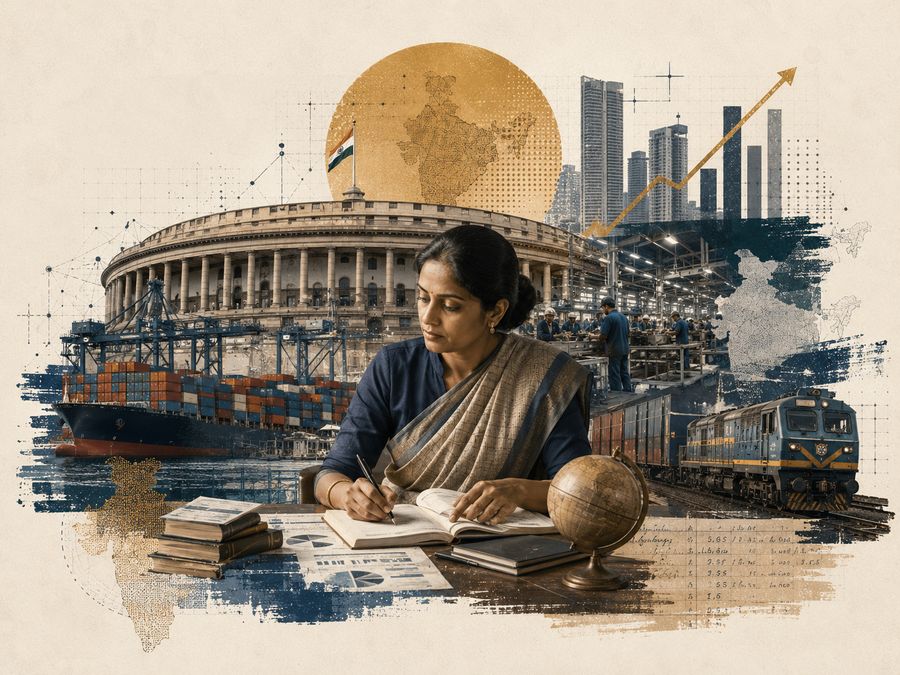
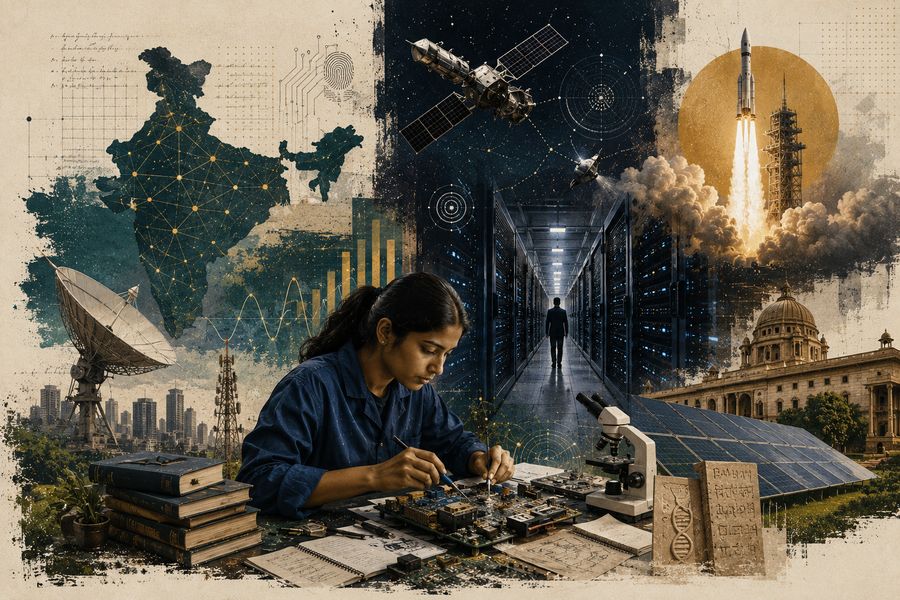
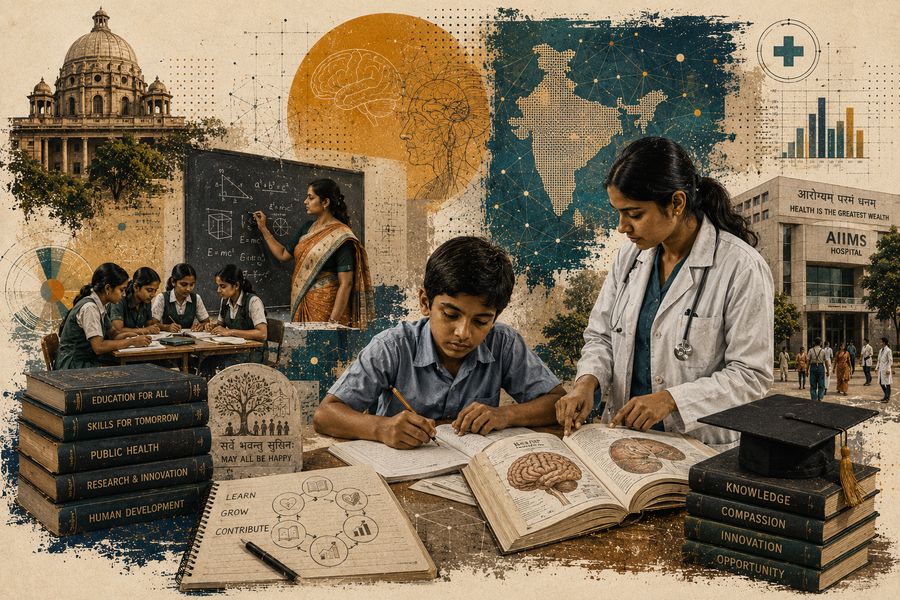
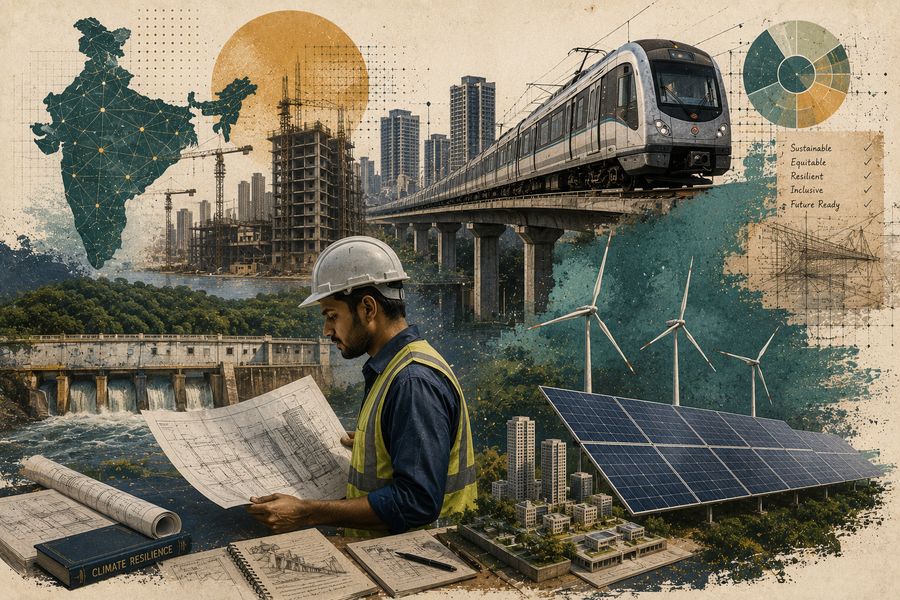
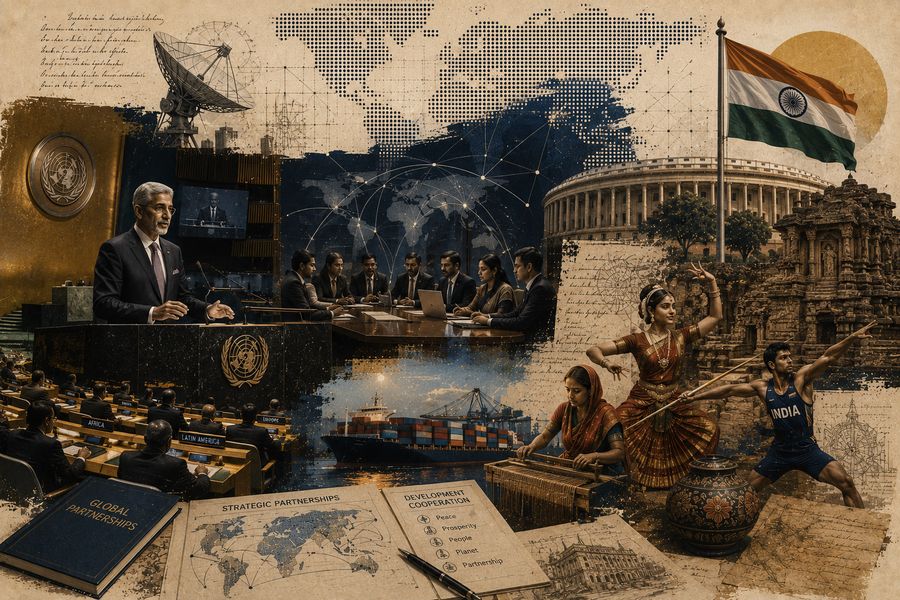
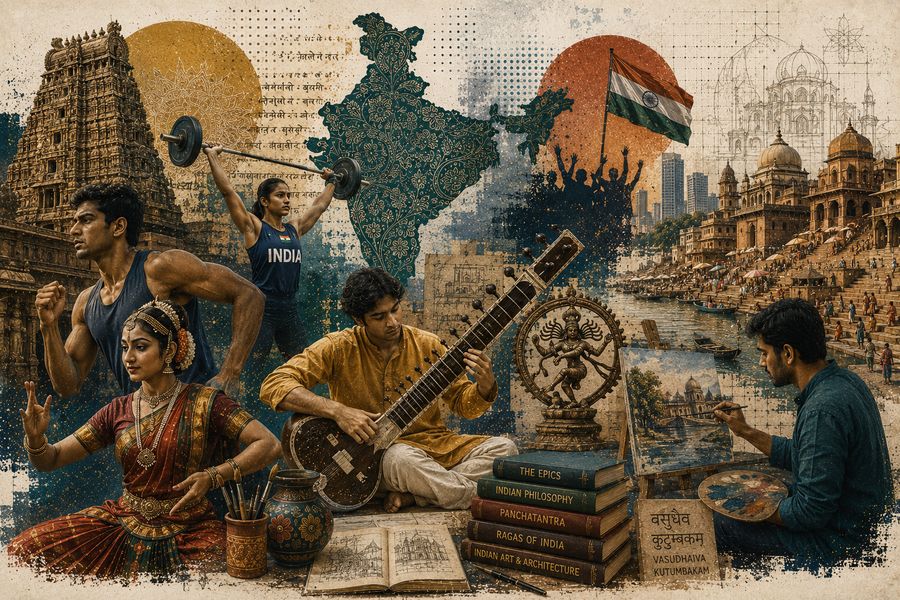
India's youth are not merely a statistic. The oft-cited figure — 600 million Indians below the age of 25, the world's largest youth population — represents a scale of human potential unprecedented in history. Whether this potential translates into the leadership cohort required to build and sustain a developed India by 2047 depends on choices being made right now: in classrooms, in institutions, in policy chambers, and in homes.
The global evidence is instructive. The East Asian economic miracles of the 20th century were not simply stories of capital accumulation or export-led manufacturing. They were stories of deliberate, sustained investment in human capital — specifically in cultivating a generation capable of absorbing technology, leading institutions, and exercising judgment under uncertainty. South Korea's transformation from per capita GDP of $158 in 1960 to over $33,000 today was predicated on creating leaders, not just workers.
India's young people demonstrate remarkable ambition and entrepreneurial energy. The Startup India initiative, launched in 2016, has registered over 1.17 lakh startups as of 2024, making India the world's third-largest startup ecosystem. Youth participation in competitive examinations — UPSC, IIT-JEE, NEET — reflects an appetite for achievement that, if channelled effectively, could power India's development for decades.
Yet ambition alone is insufficient. Youth leadership requires several structural enablers. First, quality education that develops critical thinking alongside subject knowledge. The National Education Policy 2020's emphasis on conceptual understanding over rote learning, its integration of the arts with STEM, and its recognition of Indian knowledge systems represent a meaningful departure from the examination-factory model.
Second, civic engagement pathways. India's young people are passionate about their nation but often lack structured mechanisms to translate that passion into constructive contribution. The Pradhan Mantri Yuva Yojana, the National Youth Festival, and the iDEX defence innovation platform are promising scaffolds. The model of organisations like the Ajayyabharathy Foundation — creating India Future Fellows, engaging school and university students in structured policy thinking — represents exactly the kind of lateral institution-building that state policy alone cannot achieve.
Third, mentorship ecosystems. Research consistently shows that young people with access to quality mentors outperform their peers on virtually every development indicator. India's guru-shishya tradition has deep cultural roots; reimagining it for the 21st century, in digital and hybrid formats, could be among India's most distinctive contributions to global knowledge of youth development.
Fourth, opportunities that match aspiration. PM MUDRA Yojana has disbursed over ₹27 lakh crore in collateral-free loans since 2015, enabling entrepreneurship among women, youth, and rural communities historically excluded from formal credit. The Production Linked Incentive schemes are creating manufacturing employment pathways that did not previously exist.
The challenge ahead is coherence. Youth leadership development in India suffers from fragmentation: excellent institutions operating in isolation, inspiring programmes without scale, passionate mentors without network. What is needed is a national architecture for youth leadership — connecting schools and universities, government and civil society, industry and academia — to cultivate the 10,000 leaders India needs for 2047. The youth are ready. The question is whether India's institutions are ready for them.
